One of the most pressing issues that healthcare is facing is not data availability but using the available data. As per research by RBC Capital Markets, the healthcare industry creates nearly 30% of the entire world’s data volume. However, when it comes to moving this data from one system to another, it often doesn’t move […]
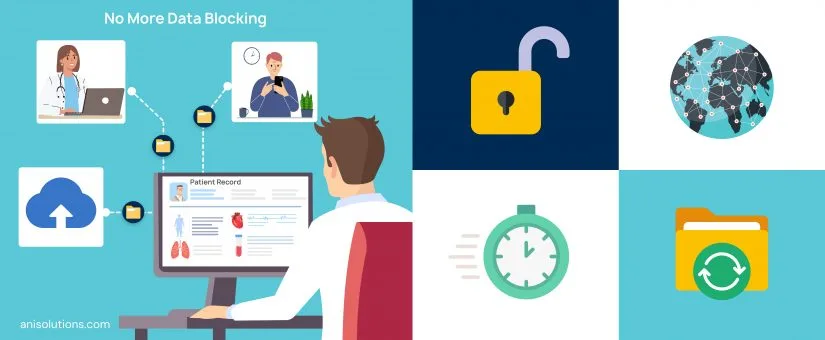
Healthcare data shifted from being allowed to share to being expected to share. This change is driven by the full enforcement of information blocking healthcare rules under the 21st Century Cures Act. This also shifted the role of health IT teams from support to legally accountable compliance entities. Before, the role of health IT teams […]
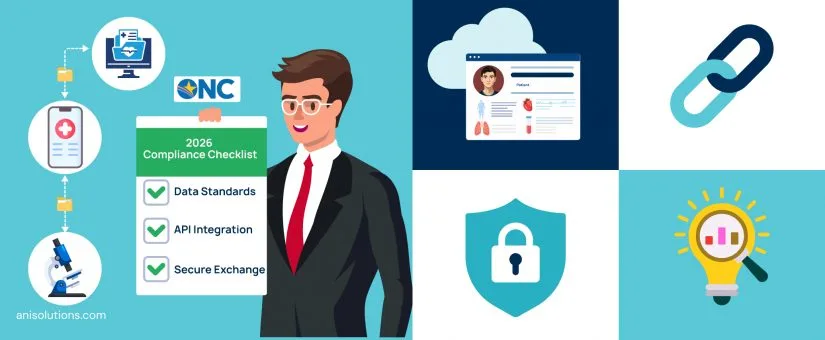
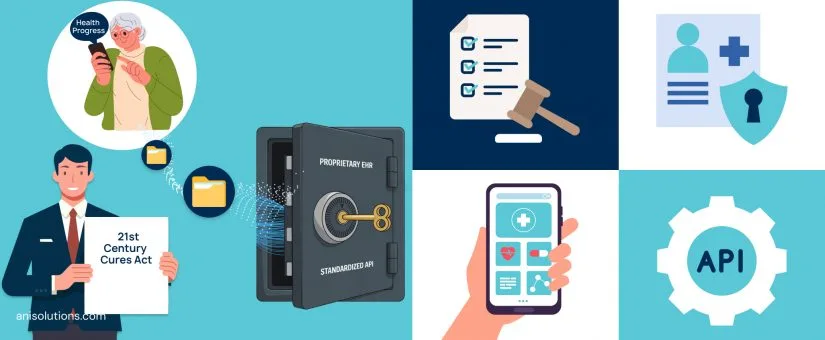
In 2026, interoperability has strongly shifted from just a technical requirement to a compliance requirement. With the enforcement of the 21st Century Cures Act in September of 2025, this changed how hospitals accessed, shared, and integrated patient data. Most importantly, especially for healthcare CTOs, it has almost rewritten or, more precisely, solidified the importance of […]
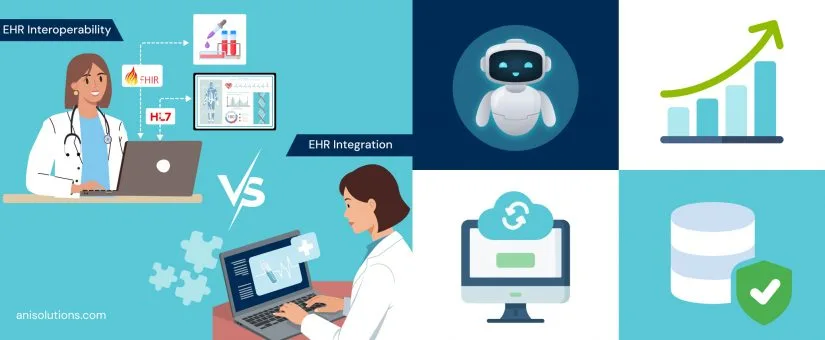
One common and costly misconception we have seen in our clients, especially among boardroom members, is that they consider interoperability and integration the same. In reality, these two have completely different scopes and ways in which they interact with data. EHR integration connects two or a few systems, such as EHR to labs or EHR […]
“We spent thousands of dollars developing a connected environment, yet rather than reducing complexity, it increased it, and slowed down our operations.” These were the words of a healthcare CTO after completing an integration initiative, a challenge increasingly seen in the healthcare industry. as many CTOs are facing similar challenges. According to the Office of […]
As healthcare organizations expand across multiple locations, one challenge becomes unavoidable—how do you ensure every clinic stays connected, consistent, and scalable without breaking workflows? Most EHR systems claim to support multi-location use, but in reality, they struggle when scaled. Data becomes fragmented, workflows differ across clinics, and real-time coordination breaks down. That’s why, even when […]
Well, EHRs were never built to optimize care— they were built to record and manage patient data. But in recent years, that has been changing with providers adopting more custom EHR systems. And these systems are becoming increasingly intelligent, helping clinicians deliver safe and effective care to patients. In 2026, this shift is being driven […]