Have you ever wondered why many hospitals postpone their EHR implementation? Well, if you have this EHR Implementation 2025 research by KLAS Research, it might answer your question. Because, as per this study, only 38% of healthcare organizations said their EHR implementation “hit the mark”, while 40% reported significant misses. And a single miss means […]
One question that we hear repeatedly, be it in con calls or in our demos, is: how can we secure our EHRs? And you know why answering this question is important, with how fast healthcare technology is growing and digitalizing the health data. Moreover, with healthcare organizations connecting with multiple systems, it is also opening […]
Right now, for healthcare organizations, the biggest issue is not the lack of data, but how to turn it into actionable insights. In fact, as per a report by McKinsey & Company, healthcare generates nearly 30% of the world’s total data volume. Every lab report, patient encounter, imaging study, and telehealth visit generates data points […]
One of the most important certifications currently in the entire healthcare industry is SOC 2. While it is not mandatory like HIPAA, it helps you understand how secure the vendor you are connecting to your EHR is. Although these integrations are essential and improve operational efficiency as well as patient outcomes, they create new entry […]
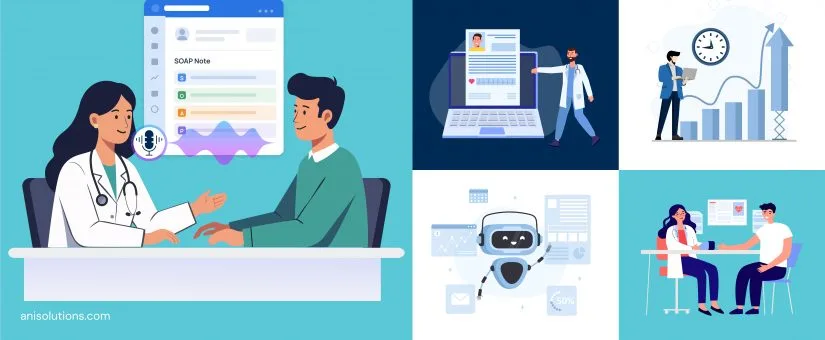
For many healthcare providers, documenting patient care has become an administrative burden. Because after completing the encounter, they have to invest 10-15 minutes more for each patient. This not only increases their workload but also leads to clinician burnout, which impacts patient care and revenue opportunities. However, this is the issue with only traditional documentation […]
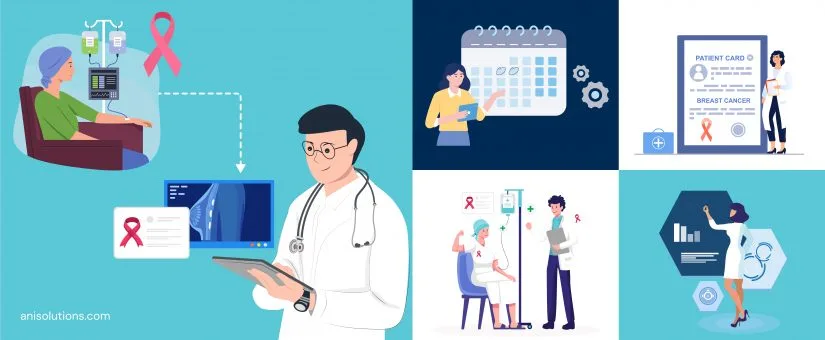
When it comes to caring for cancer, the clinics operate completely differently from other traditional healthcare environments. Because cancer care is not just limited to episodic care or isolated encounters. Rather, it works on long-term patient management and various stages from diagnosis, staging, chemotherapy, infusion coordination, to continuous treatment monitoring. And this is the reason […]
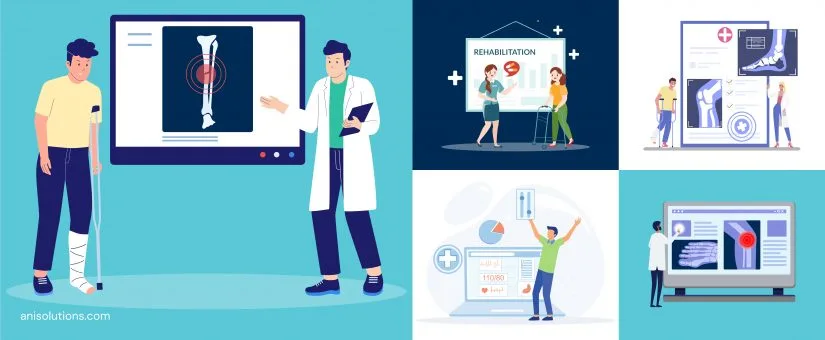
One of the most common questions that our clients ask us is why generic EHRs fail to support orthopedic clinical workflows. And the answer is that traditional EHRs are designed for episodic documentation and routine clinical encounters. Whereas orthopedic care relies on imaging, surgical coordination, implant management, rehab tracking, and long-term recovery monitoring. Orthopedic healthcare […]
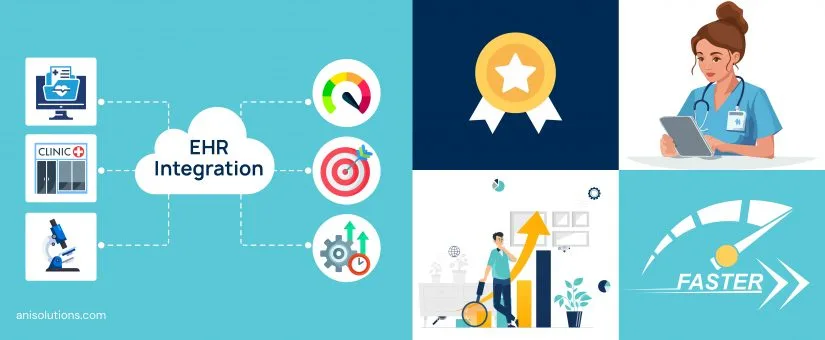
If you think that your healthcare integration process ends when the systems go live, then it is not completely right. Because a successful integration is not just technical, it also must have operational and workflow-based improvements. The reason for this is that modern integration is not just limited to connecting two EHRs or healthcare systems. […]
We see one common issue in our custom EHR demos: specialty workflows are forced into generic EHR functions. For instance, a behavioral health provider is forced to capture patient data into primary care templates. This not only leads to creating inaccurate and incomplete patient records but also increases a clinician’s workload. More importantly, it creates […]