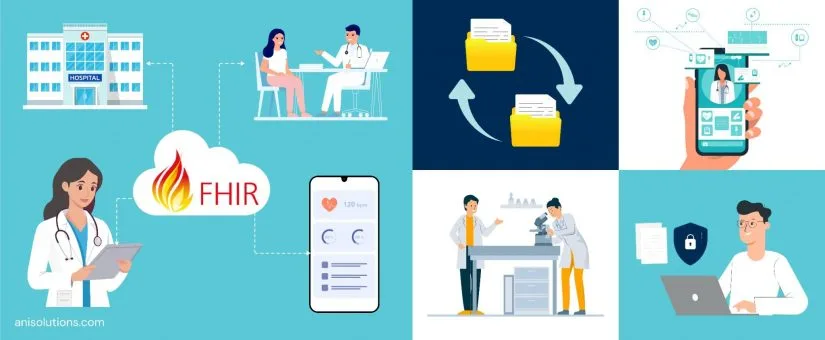
How many systems does your healthcare organization rely on for daily operations? Well, if you stop to count them, the number is probably higher than you think. Most healthcare practices at least function with Electronic Health Records (EHR), billing systems, lab systems, and pharmacies. Additionally, there are telehealth platforms, patient portals, and other third-party applications. […]
When providers are working, they are rarely sitting at their desks for the whole day. They go from exam rooms, hospital floors, telehealth calls, and patient consultations. However, the clinical workflows and most of their access stay on the desk, making it difficult to make decisions at the point of care. For instance, if they […]
When I was researching this topic, I came across an interesting and concerning statistic. A study on the JAMA Network Open found that hacking and IT accounted for 88% of the 732 million healthcare records exposed from 2010 to 2024. This shows that in the last decade, incidents such as ransomware attacks and data breaches […]
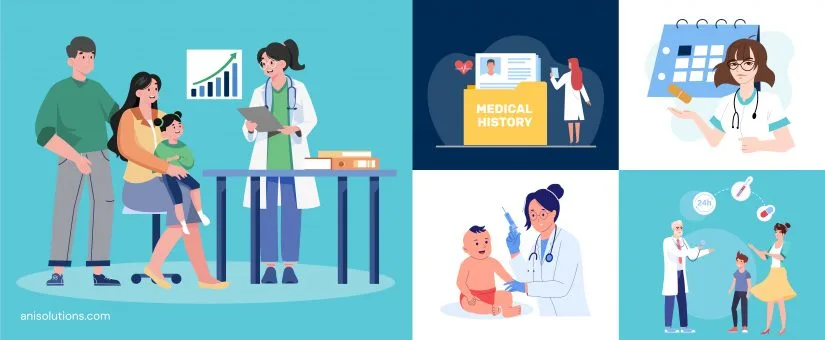
There is a big difference in how pediatric care and other traditional healthcare workflows function. However, the biggest difference is that it is time-aware and caregiver-focused, which makes it difficult to work with traditional EHRs. Because most traditional EHRs use standardized and static documentation along with episodic care. Whereas pediatric care needs an EHR that […]
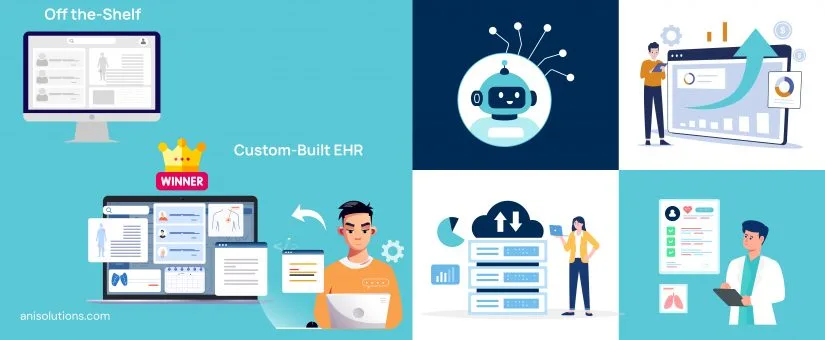
What is the biggest difference between a custom-built EHR vs off-the-shelf EHR? You may think it is cost, customization, or control; however, the true difference is the flexibility and adaptability a custom EHR brings to the table. And this is the reason why many healthcare organizations are shifting towards a custom EHR. Because while off-the-shelf […]
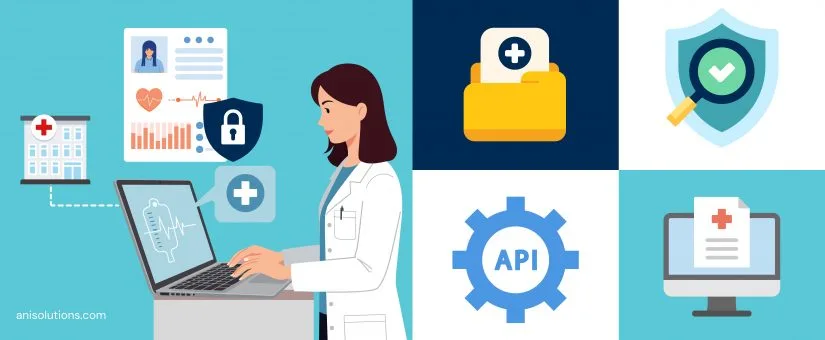
If you are thinking about integrating your EHR system, then even before researching the integration stack, the first step is EHR integration partner selection. And this is where you need to clearly separate vague promises from the true capabilities of the EHR vendor. However, if you only ask Can you integrate healthcare systems with our […]
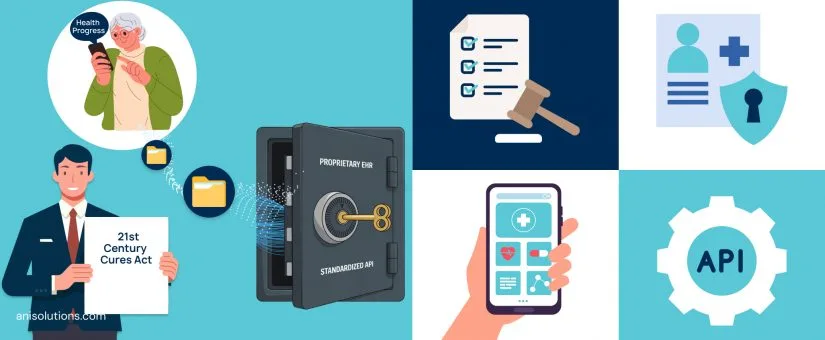
In 2026, interoperability has strongly shifted from just a technical requirement to a compliance requirement. With the enforcement of the 21st Century Cures Act in September of 2025, this changed how hospitals accessed, shared, and integrated patient data. Most importantly, especially for healthcare CTOs, it has almost rewritten or, more precisely, solidified the importance of […]
When it comes to hiring EHR developers, it’s not just a simple staffing decision, like generic software developer hiring. It impacts the cost structure, compliance, and scalability of the EHR software. If you don’t choose the right hiring model, this mistake can lead to compliance gaps, integration failures, unscalable EHR, timeline delays, and budget overruns. […]
With the healthcare landscape growing digitally, care is no longer limited to just the office desk. Because the care is also being delivered efficiently in a virtual mode, yet desktop-heavy EHRs cannot keep up with these changes. Moreover, when EHRs are confined to the desk, clinicians need to complete all the work and documentation after […]
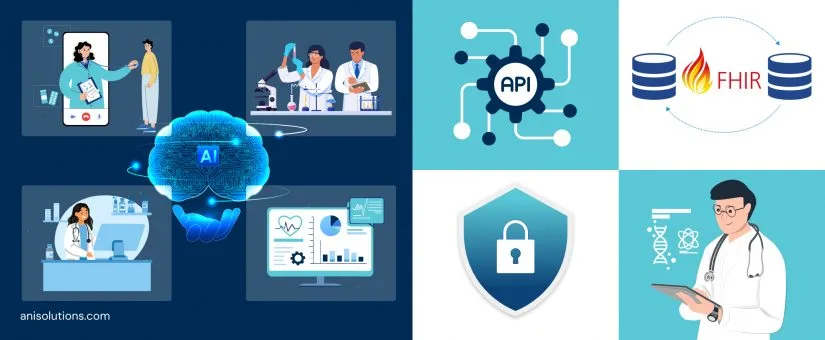
Over the last decade, EHRs have evolved from simple digital record systems into the operational backbone of modern healthcare. But in today’s environment, success is no longer about having an EHR—it’s about building a connected EHR system that works seamlessly across clinical, administrative, and financial workflows. This is where an EHR seamless integrations complete guide […]