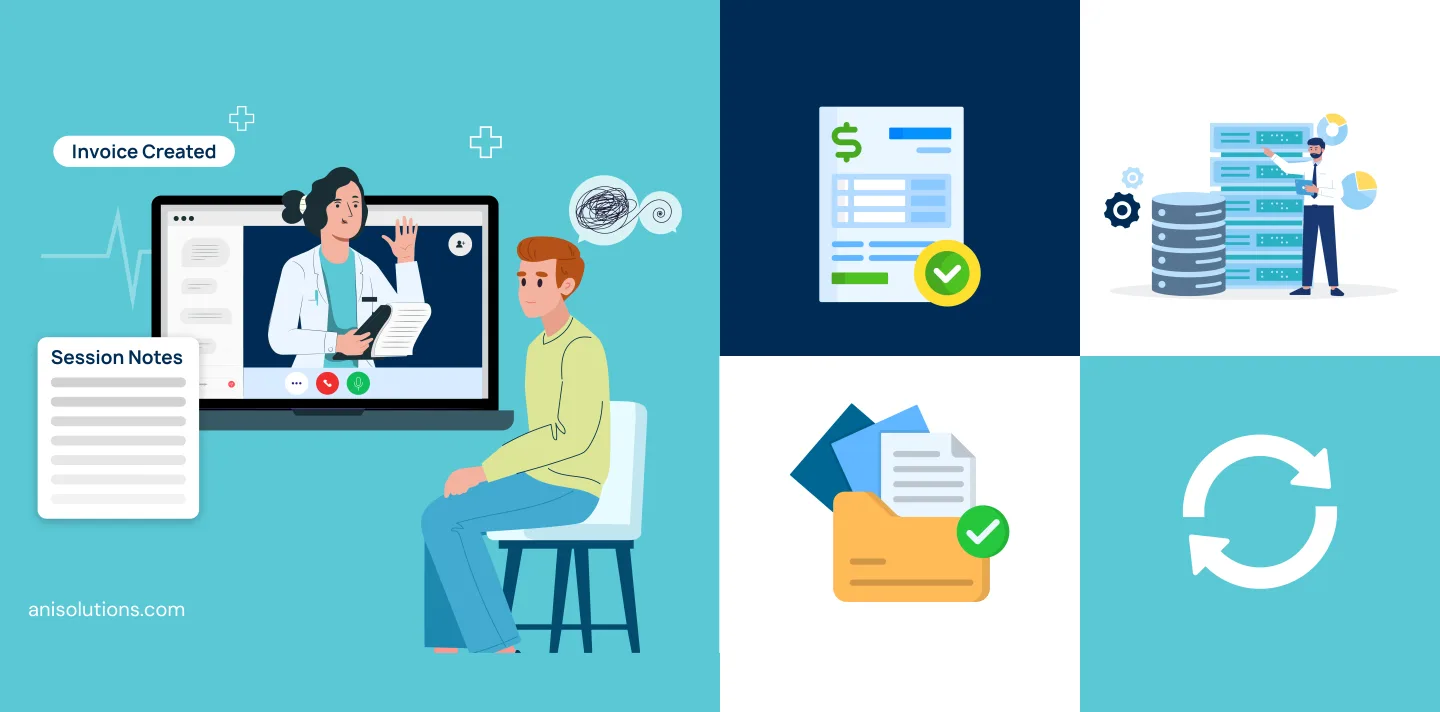
According to the National Council for Mental Wellbeing, nearly 90% of mental health providers are experiencing burnout. And one of the major contributors to this is the extra time spent on documentation after the physical or virtual visits because of the workforce shortage. And when this happens for every visit in the day, especially with […]
Have you heard of a “Toggle Tax”? Well, even if you haven’t heard of it, you might have already experienced or paid for it in some way. To explain it simply, it is constant switching between different tabs on your EHR. For example, a primary care physician finishes a virtual encounter, switches tabs for reviewing […]
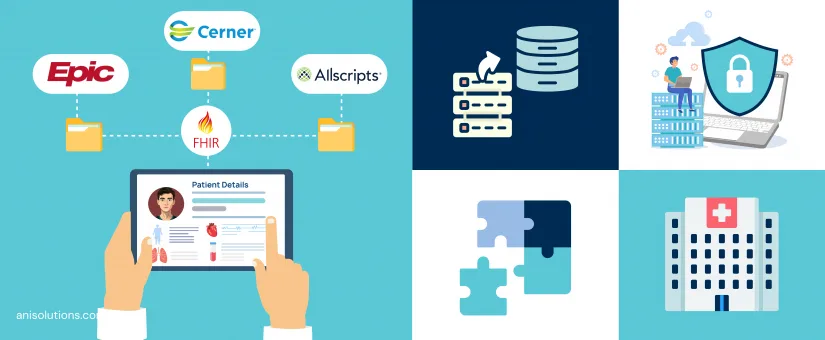
One of our clients was using three EHRs: Epic, Cerner, and Allscripts to manage different tasks. Epic was used for managing patient records and exchanging data, Cerner for billing, and Allscripts for specialty practices. While the intent was to utilize the best in all systems to make work efficient, all this only led to fragmented […]
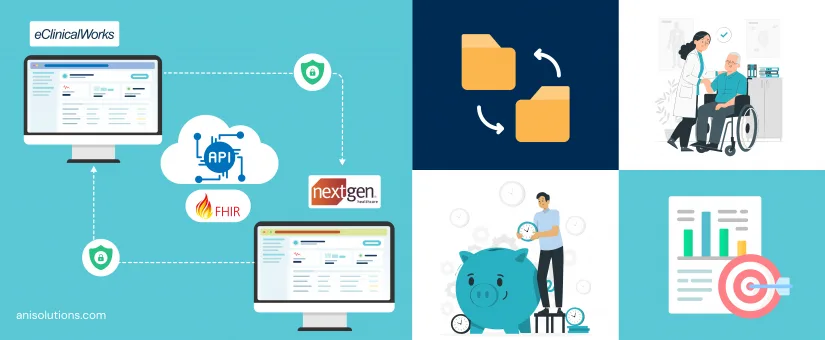
Not every hospital uses Epic, Oracle Health, or Athenahealth, as these systems are designed for larger hospitals. And most of the time, exceed the budget and needs of many smaller clinics. That’s where eClinicalWorks and NextGen systems sit. These two systems are especially dominant in ambulatory care and specialty practices because of flexibility, faster deployment, […]
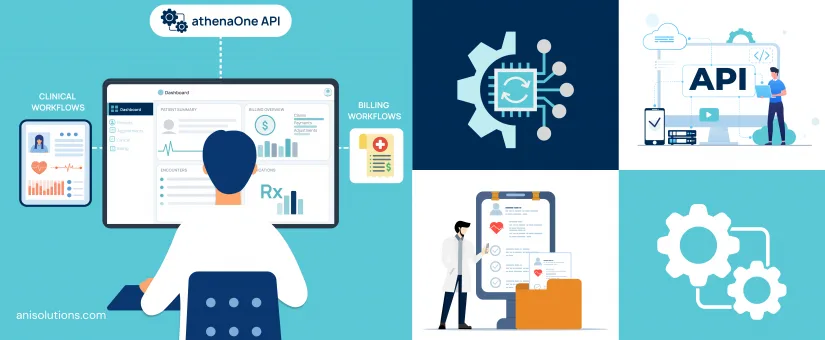
Among all the EHR vendors, such as Epic and Oracle Health, Athenahealth stands out as it is built on the cloud and not on-prem. It’s athenaNet gives a complete cloud-native environment that simplifies Athenahealth API integration, making it more consistent. One more differentiating point or advantage of Athenahealth is its workflow-centric design. Rather than exposing […]
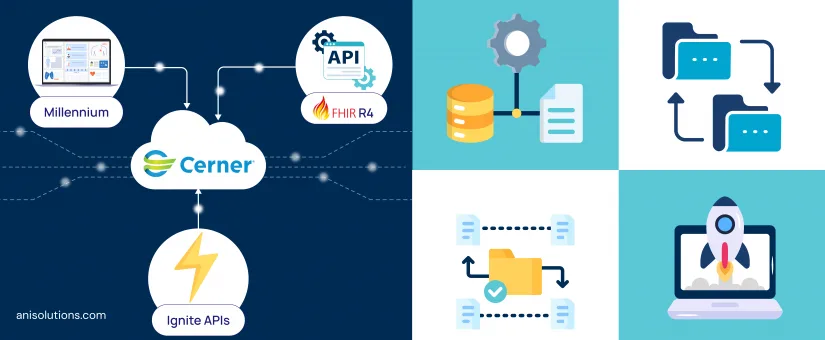
One of the biggest shifts when Cerner Corporation shifted to Oracle Health is the multi-layered API ecosystem. This changed how developers integrate systems, unlike traditional EHR systems that use a single integration pathway. And the key component in enabling this multi-API ecosystem is Cerner FHIR API integration. However, there are many legacy systems that still […]
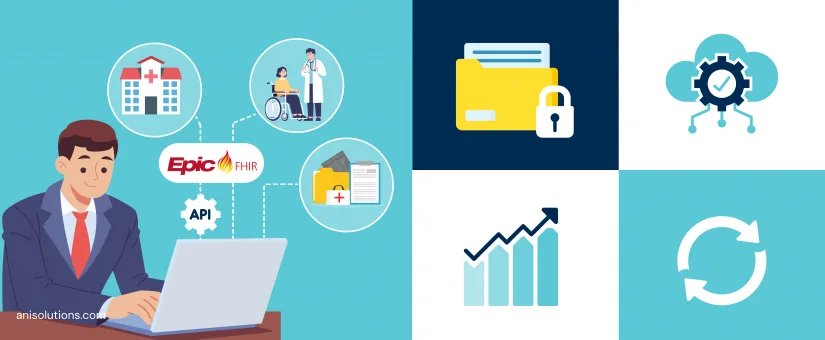
In the EHR vendor market, Epic dominates nearly 30% of the market, and multiple large US hospitals operate on Epic systems, making integration with the Epic system essential. And Epic FHIR API integration plays a crucial role in building interoperability, EHR workflow automation, and data-driven decision-making. Moreover, the healthcare industry is shifting towards a consistent […]
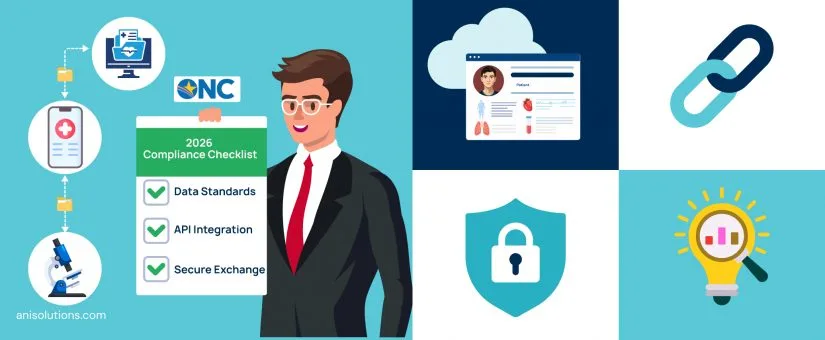
FHIR API adoption has grown significantly, nearly reaching 70%, as per the Office of the National Coordinator for Health IT (ONC). But adoption is not the same as standardization in system integration. Yet, many healthcare organizations assume that the adoption of FHIR APIs means a standardized integration process. Although FHIR was designed to make this […]
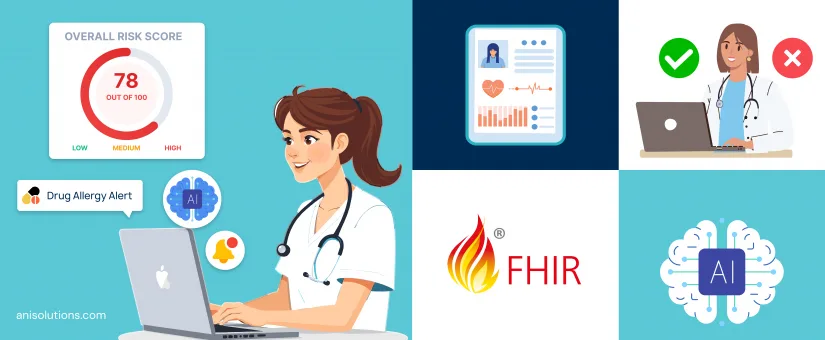
Is your clinical decision support helping or becoming just another source of noise? If your CDS is generating more noise than clinical and actionable insights, then you are not alone. Many of our clients experience alert fatigue and clinician burnout due to constant notifications from CDS systems, as most of these alerts are low-value or […]
One of the most pressing issues that healthcare is facing is not data availability but using the available data. As per research by RBC Capital Markets, the healthcare industry creates nearly 30% of the entire world’s data volume. However, when it comes to moving this data from one system to another, it often doesn’t move […]