Replacing a legacy EHR isn’t just another IT project—it’s one of the most critical transitions a healthcare organization can undertake. Every patient record, clinical workflow, billing process, and system integration must continue functioning while the organization moves to a new platform. Even a small mistake can disrupt patient care, delay claims processing, and impact revenue. […]
Have you ever wondered why many hospitals postpone their EHR implementation? Well, if you have this EHR Implementation 2025 research by KLAS Research, it might answer your question. Because, as per this study, only 38% of healthcare organizations said their EHR implementation “hit the mark”, while 40% reported significant misses. And a single miss means […]
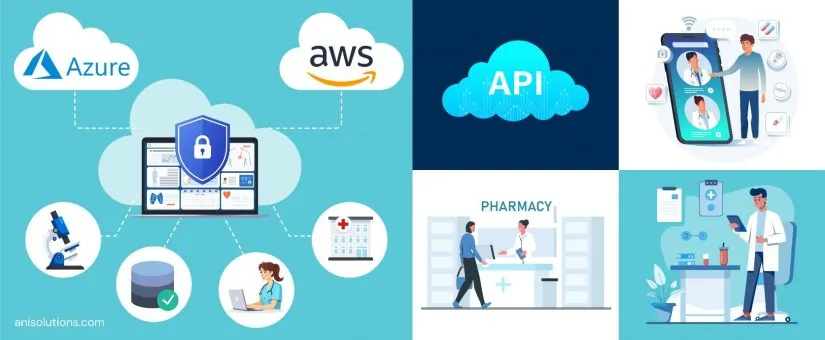
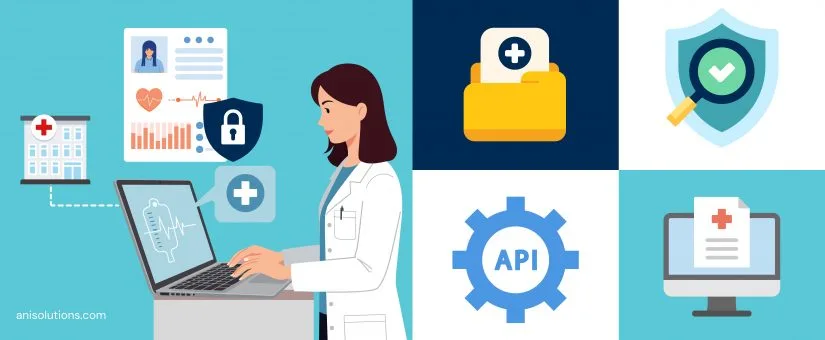
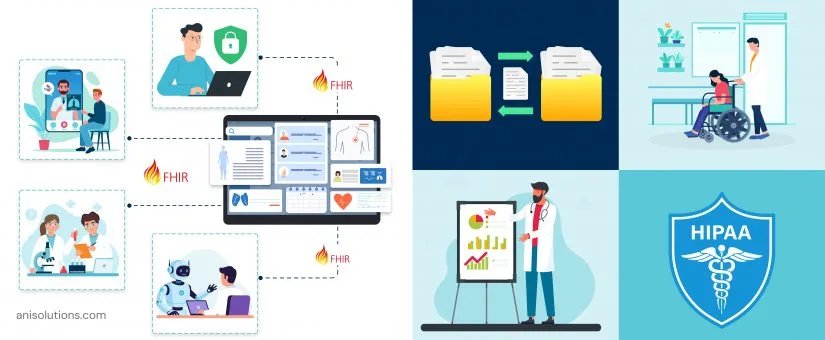
Right now, modern custom EHR and EMR software is more than just a system to store patient records. It has become the central hub for care delivery by connecting clinicians with labs, pharmacies, billing systems, telehealth platforms, and RPM devices. However, this growing ecosystem also increases the data volumes, integration requirements, and the need for […]
When providers are working, they are rarely sitting at their desks for the whole day. They go from exam rooms, hospital floors, telehealth calls, and patient consultations. However, the clinical workflows and most of their access stay on the desk, making it difficult to make decisions at the point of care. For instance, if they […]
When I was researching this topic, I came across an interesting and concerning statistic. A study on the JAMA Network Open found that hacking and IT accounted for 88% of the 732 million healthcare records exposed from 2010 to 2024. This shows that in the last decade, incidents such as ransomware attacks and data breaches […]
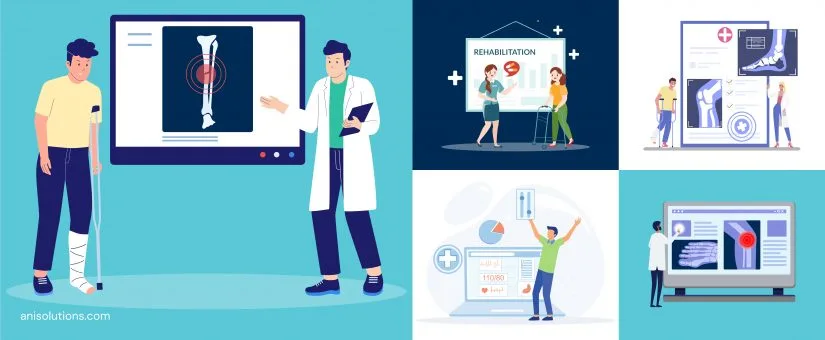
One of the most common questions that our clients ask us is why generic EHRs fail to support orthopedic clinical workflows. And the answer is that traditional EHRs are designed for episodic documentation and routine clinical encounters. Whereas orthopedic care relies on imaging, surgical coordination, implant management, rehab tracking, and long-term recovery monitoring. Orthopedic healthcare […]
We see one common issue in our custom EHR demos: specialty workflows are forced into generic EHR functions. For instance, a behavioral health provider is forced to capture patient data into primary care templates. This not only leads to creating inaccurate and incomplete patient records but also increases a clinician’s workload. More importantly, it creates […]
If you are looking for a custom EHR platform, then you are either starting a new enterprise healthcare organization or your legacy EHR is slowing down care delivery. In both cases, understanding what a custom EHR is and how it is different from legacy and off-the-shelf EHRs is important. Because in modern healthcare systems, legacy […]
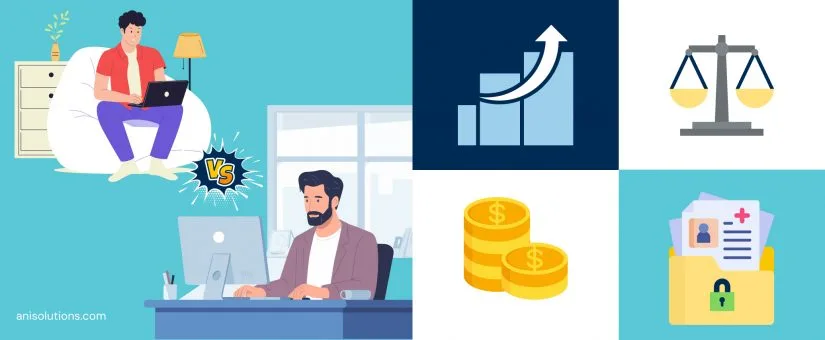
When it comes to hiring EHR developers, it’s not just a simple staffing decision, like generic software developer hiring. It impacts the cost structure, compliance, and scalability of the EHR software. If you don’t choose the right hiring model, this mistake can lead to compliance gaps, integration failures, unscalable EHR, timeline delays, and budget overruns. […]
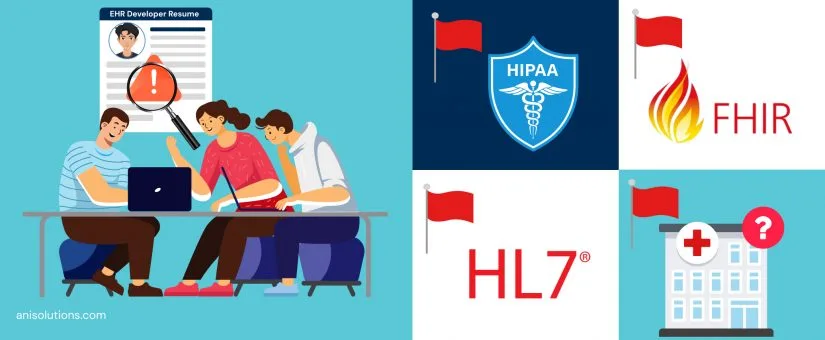
What makes hiring EHR developers different from hiring general software developers? It is the domain knowledge and experience in developing scalable, interoperable, and reliable EHR within strict regulatory requirements. Because in healthcare, code does not just impact architecture— it affects clinical workflows, compliance, and patient safety. Yet, many healthcare clinics make the mistake of using […]